
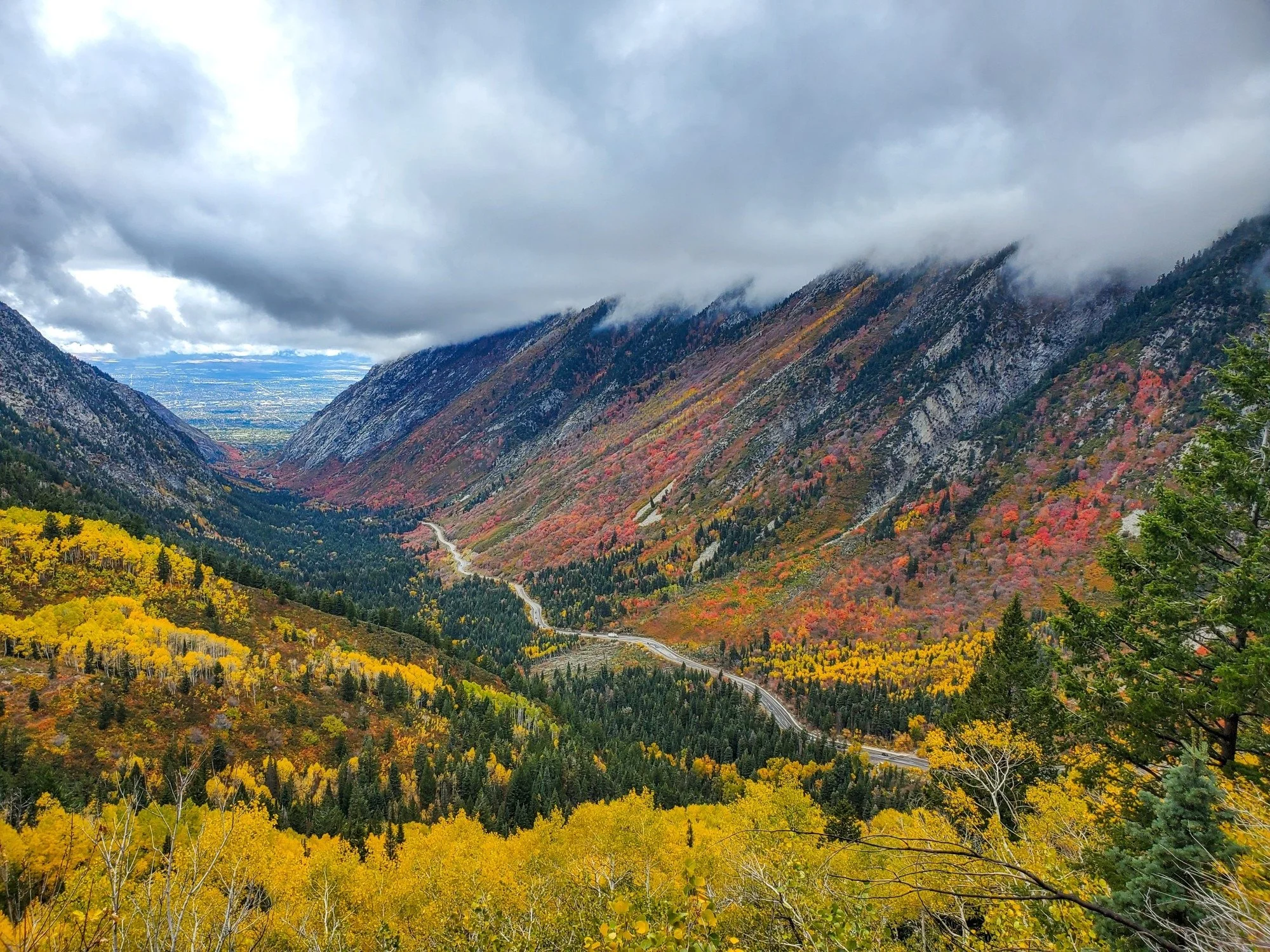
Fall Outdoor
Safety
Shorter days. Colder nights. A little preparation goes a long way on the trail, at camp and on the rock.
Enjoy the season. Adjust the plan.
A warm trailhead can lead to a cold, icy ridgeline. Choose your outing for the conditions ahead and the abilities of everyone in your group.
Start early and set a turnaround time that leaves room for a slower descent.
Check the forecast for your destination and elevation, including overnight lows.
Wet leaves, mud, frost and early snow can hide or create slippery surfaces.
Make it specific to your outing
Hiking & backpacking
- Expect a slower pace. Leave time for slick terrain, route checks and the entire return trip.
- Keep your footing. Carry suitable traction when ice is possible. Turn back before a slip could become a serious fall.
- Stay on the trail. Avoid shortcuts and muddy-trail detours that damage surrounding vegetation.
Camping
- Pack for the night. Choose a sleeping bag, insulated pad and shelter suited to forecast lows, with a margin for colder weather.
- Arrive with daylight. Check for overhead branches, wind exposure and drainage before setting up.
- Check seasonal access. Campgrounds, water systems and roads may close. Confirm fire restrictions and store food as the land manager requires.
Climbing & scrambling
- Plan the descent first. Allow time for the approach, climbing, rappels and walk out before dark.
- Stay warm at belays. Pack an insulating layer and gloves; cold hands can make equipment harder to handle.
- Respect wet or icy rock. Avoid wet sandstone, wear a climbing helmet and use routes and systems within your training.
A quick check before you leave
Start with your usual essentials, then make these fall adjustments.
- Light for everyoneA headlamp and spare power—even on a short afternoon outing.
- Warmth that stays dryInsulation, wind/rain protection, hat, gloves and dry spare layers.
- A route and a backupDownload maps, carry backup navigation and know how to use both.
- A plan left at homeShare your route, expected return and what your contact should do if you are overdue.
- Food, water and shelterCarry extra supplies, first aid and emergency shelter for an unexpected delay.
- A last conditions checkReview weather, trail and road closures, local notices and daylight.
The first snow changes the trip
Early-season snow can hide rocks, ice and the trail—and can create avalanche danger. A familiar summer route may cross or sit below avalanche terrain. Check the Utah Avalanche Center’s latest update and its issue date; a missing daily forecast does not mean there is no danger.
Choose a route away from avalanche slopes and their runouts if you lack the training to assess them. Start with avalanche awareness →
Change plans while you still have options
Turn around early for worsening weather, uncertain footing, fading daylight or a group member who cannot stay warm. If the route becomes unclear, stop and reassess before moving farther into unfamiliar terrain.
Know how to get help
For a search and rescue emergency, call 9-1-1 . Be ready to share your location, what happened and how many people need help. Cell coverage and rescue response are not guaranteed.
Keep learning: NPS hiking preparation · Wet sandstone guidance · Salt Lake avalanche forecast