
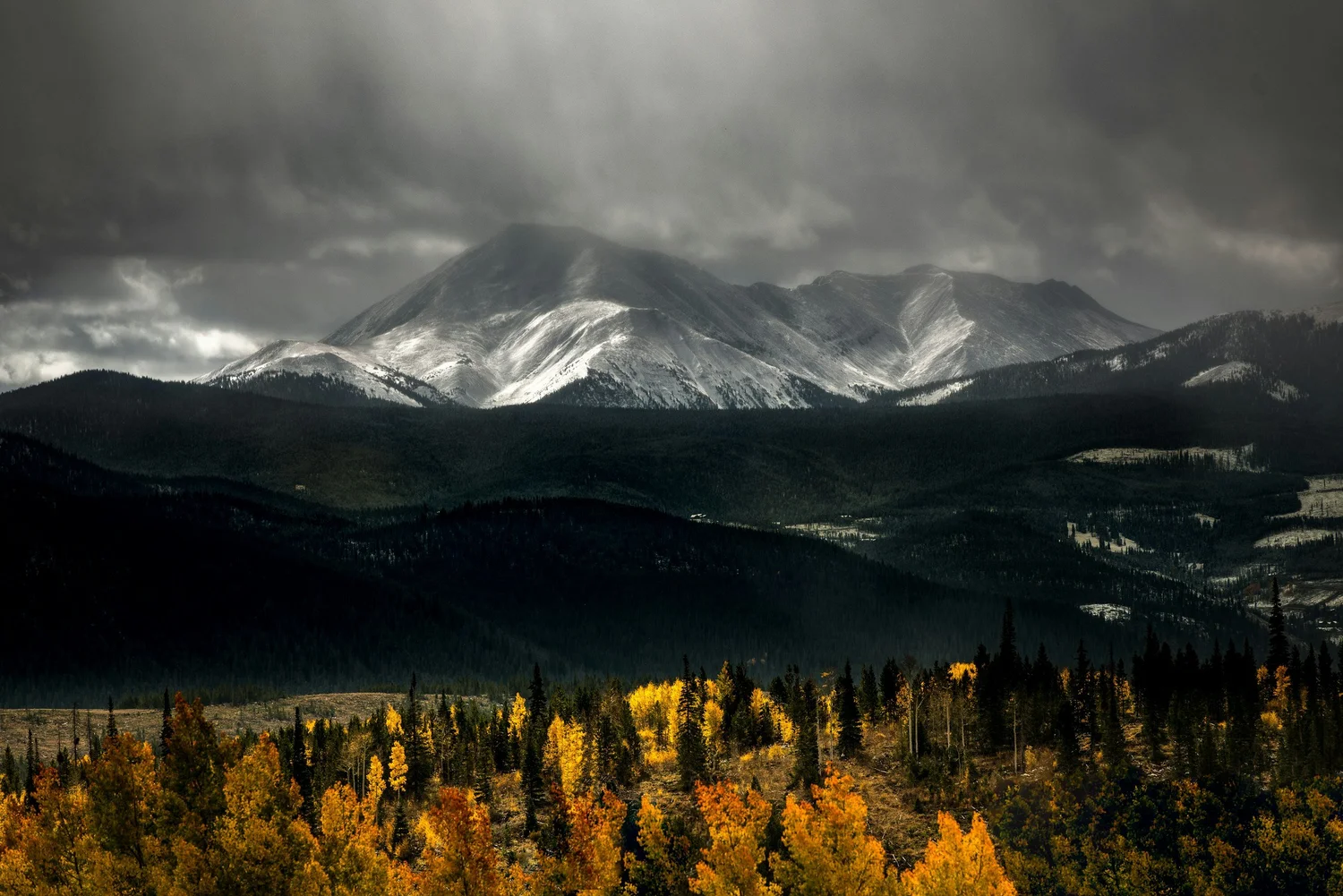
Prepare for changing weather
Build weather checks into your plan and act early when thunderstorms threaten.
In this guide
Check before you leave
Use the National Weather Service’s Salt Lake City office for forecasts and weather alerts. Select your destination, review the timing of expected weather, and recheck close to departure. Pair that information with the land manager’s access notices.
Build a weather alternative into the plan. If the forecast makes your chosen route unsuitable, select a different outing or postpone it. Keep watching conditions during the trip; the plan should change when the situation changes.
Take thunder seriously
Hearing thunder means lightning is close enough to strike. Move immediately toward a substantial building or an enclosed, metal-topped vehicle with the windows closed. Remain sheltered for at least 30 minutes after the last thunder.
- No outdoor location is safe during a thunderstorm.
- A tent, isolated tree, or rocky overhang is not safe lightning shelter.
- If caught outside far from shelter, leave ridges and peaks, avoid isolated trees and water, and do not lie flat.
- These steps reduce risk; they do not make the situation safe.
Remain in proper shelter. A tent, isolated tree, or rocky overhang is not safe lightning shelter.
Make room for an early return
Before starting, discuss where you could reach proper shelter and whether the route allows you to leave exposed terrain in time. If it does not, reconsider the route before committing to it.
Use the conditions directory for official forecasts and access information before each outing.
Keep building your skills
Explore the full guide collection for preparation, navigation, and seasonal topics.
Back to all guides